
Endometriosis Explained: Symptoms, Causes & Natural Treatment Options
If you've ever been told your period pain is "just normal," this might change everything.
Endometriosis affects countless women, yet on average it takes nine years to receive a diagnosis. That's nearly a decade of pain, confusion, and dismissed symptoms. Let's break down what endometriosis actually is, why it's so hard to diagnose, what causes it, and — most importantly — what you can do about it.
What Is Endometriosis?
Endometriosis is a condition where tissue similar to the lining of the uterus grows outside the uterus. This misplaced tissue drives significant inflammation and pain, and can adhere to surrounding organs including the bowel, bladder, and ovaries — causing symptoms in those areas too.
How Is It Diagnosed?
In Australia, the diagnostic journey typically looks like this:
Visit your GP and describe your symptoms
Pelvic exam and symptom assessment
Pelvic ultrasound (note: this is not a definitive diagnostic tool — endometriosis must be quite advanced to show up)
Referral to a gynaecologist
Laparoscopy — a surgical procedure where they look for and potentially remove endometriosis tissue
The gold standard treatment during laparoscopy is excision surgery, where lesions are physically removed. This can be life-changing for many women. However, it is invasive and carries risks including scar tissue formation.
Endometriosis is staged from 1 (minimal) to 4 (severe) — but here's the surprising part: stage doesn't predict symptoms. Someone with stage 4 may have no pain at all, while someone with stage 1 might experience debilitating periods.
Common Symptoms
Severe period pain requiring strong pain relief
Pain during or after sex (particularly deep pain)
Chronic pelvic pain throughout the month
Ovulation pain
Lower back and leg pain
Digestive symptoms (often mistaken for IBS)
Excessive fatigue
Fertility challenges
What Causes Endometriosis?
The honest answer is: we don't fully know yet — and it's likely a combination of factors unique to each individual. Current theories include:
Retrograde menstruation — where menstrual blood flows backwards into the fallopian tubes
Oestrogen dominance — oestrogen may stimulate the growth and spread of endometriosis
Immune system dysfunction — the immune system may fail to clear rogue tissue
Genetics — endometriosis strongly runs in families
Gut and vaginal microbiome imbalances — this is an exciting emerging area of research
The Gut-Endometriosis Connection
One of the most fascinating and promising areas of research is the link between the microbiome and endometriosis. Key findings include:
Gut dysbiosis (low diversity of bacterial species) creates a more inflammatory environment
Increased gut permeability ("leaky gut") allows bacterial byproducts into the bloodstream, fuelling systemic inflammation
The gut influences how we detoxify oestrogen — an enzyme called beta-glucuronidase can cause the body to reabsorb oestrogen rather than excrete it, potentially fuelling endometriosis growth
Early research on antibiotics and fecal transplants has shown promise in reducing lesion size
Vaginal dysbiosis and elevated levels of harmful bacteria (like Gardnerella) have been linked to period pain and endometriosis
The good news? There are tangible things you can do to rebalance your microbiome.
Natural & Integrative Treatment Options
A naturopathic approach to endometriosis doesn't mean choosing between natural and medical care — it means combining them. Here's what an integrative plan may include:
Anti-inflammatory support:
Curcumin (found in turmeric) — well-researched for endo
Essential fatty acids / fish oil
NAC (N-acetylcysteine) — a potent antioxidant studied for reducing endometriosis lesion size
Hormone detoxification:
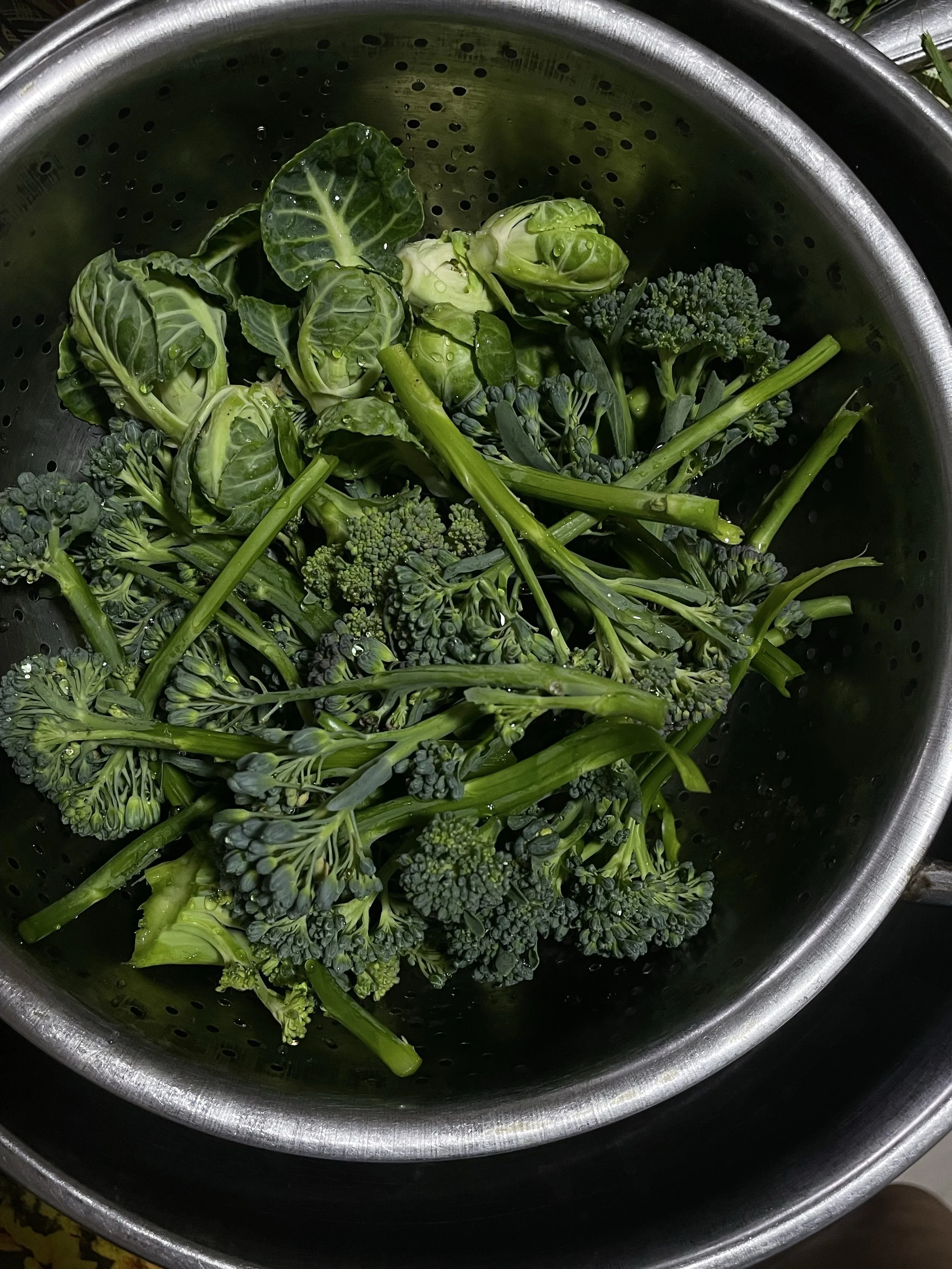
Cruciferous vegetables (broccoli, spinach, kale)
Liver support
Addressing gut health to prevent oestrogen reabsorption
Gut microbiome support:
High-fibre diet
Polyphenol-rich foods
Gut microbiome testing for targeted treatment
Pain management:
PEA (palmitoylethanolamide) — an analgesic nutrient with promising clinical results in endometriosis
Magnesium — for cramping and muscle tension
Pelvic floor physiotherapy — a game changer for pelvic pain and muscle tightness
Nervous system support:
Stress management is essential — chronic stress drives inflammation and pain sensitivity
A Real Client Story
One client came in after two laparoscopies and excision surgery, still managing debilitating pain with strong medication. After gut microbiome testing revealed several imbalances, a targeted anti-inflammatory and gut-healing protocol was implemented alongside her medical treatment. Over time, she was able to manage her pain without strong medication and return to her normal daily life.
It's not always a straight line — but there is hope, and there are options.
Next Steps
If you have endometriosis or suspect you might, know that you don't have to navigate it alone. Book a free 10-minute discovery call here to explore what an individualised plan could look like for you.
Because you're not a box to be ticked — you deserve a whole-person approach.