
If you've ever found yourself dreading the week before your period - bracing for mood swings, bloating, breakouts, or debilitating pain - you're not alone. But you might have been told something that isn't entirely true: that it's just part of being a woman.
It's not. And that distinction matters.
What is PMS?
Premenstrual Syndrome (PMS) refers to a cluster of physical and emotional symptoms that occur in the days or weeks leading up to menstruation. Some degree of premenstrual change is completely normal - slight mood shifts, mild fatigue, or a little bloating are all expected responses to the hormonal fluctuations happening throughout your 28-day cycle.
The problem arises when those symptoms become unbearable, interfere with work or relationships, or require pain medication every single cycle. That's when PMS tips into something that needs addressing.
What is PMDD?
Premenstrual Dysphoric Disorder (PMDD) is a diagnosed mental health condition - essentially an extreme version of PMS. It involves at least five symptoms (including at least one core mood symptom), occurring over a clear cyclical pattern, confirmed across two cycles, that significantly impairs daily functioning. Treatment options include both medical approaches (such as antidepressants or hormonal medications) and naturopathic support.
What Actually Causes PMS?
The honest answer: it's multifactorial, and research on women's hormonal health is still catching up. That said, several key drivers are well-recognised:
Sensitivity to hormone fluctuations - More than a simple "imbalance," many people are particularly sensitive to the natural rise and fall of estrogen and progesterone throughout the cycle.
Estrogen dominance or low progesterone - Progesterone has a calming effect on the brain via the GABA pathway. When it's insufficient, anxiety and mood symptoms can spike.
Neuroinflammation - Gut dysfunction can drive inflammation in the brain, significantly worsening mood symptoms in PMS and PMDD.
Nutrient deficiencies - Magnesium demand increases premenstrually due to muscle contractions and brain chemical production. Deficiencies in zinc, iodine, vitamin D, and B vitamins all play a role.
Stress and cortisol - Living in a constant state of "hustle" without honouring the natural ebb and flow of your cycle depletes your resilience over time.
Poor sleep and blood sugar dysregulation - Both directly impact hormonal function and mood.
Common Symptoms Worth Investigating
Intense mood swings, anxiety, or low mood
Breast tenderness or swelling
Severe bloating or digestive changes (constipation or loose stools)
Skin flare-ups and acne
Headaches triggered by estrogen fluctuations
Fluid retention and puffiness
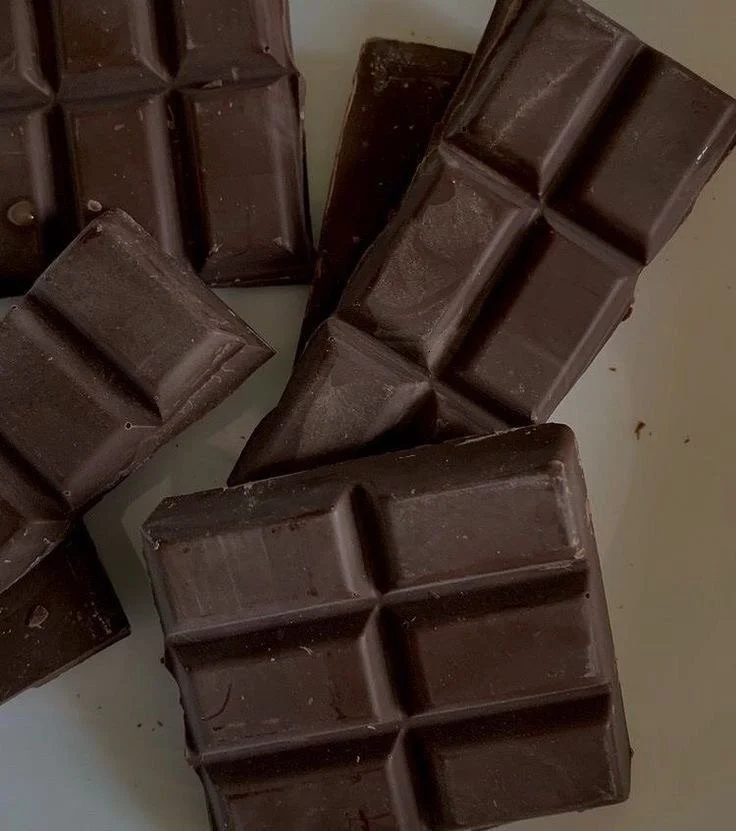
Cravings (especially salt and chocolate - often a sign of mineral depletion)
What You Can Do
While individualised support is always the gold standard, here are foundational starting points:
Eat more in the luteal phase - Adding roughly 200 extra calories (think one extra snack) in the week before your period can significantly reduce fatigue and cravings.
Support your minerals - Magnesium and electrolytes can help with cramps, cravings, energy, and mood. Dark chocolate cravings are often the body asking for magnesium.
Live cyclically - Honour that your energy levels are different at different phases of the month. Schedule demanding work around ovulation; rest more in your luteal and menstrual phases.
Prioritise gut health - If you have gut dysfunction, it may be worsening your PMS through neuroinflammation. Address constipation, inflammation, and the gut-hormone connection.
Get comprehensive blood work - Test hormones at the right times (day 2 of your cycle and 7 days post-ovulation), check nutrient levels, and look at inflammatory markers.
Consider targeted supplementation - Saffron has strong clinical evidence for mood support and neuroinflammation. Always use clinically trialled doses.
Manage stress and sleep - These are non-negotiables for hormonal health.
The Bottom Line
You are the expert in your own body. If something doesn't feel right, it probably isn't. Seek a second opinion, speak to a naturopath, and don't accept "it's just hormones" as a complete answer. There is so much that can be done - and you deserve to find out what's going on for you specifically.
This is Episode 24 of the Hormone Series. Next up: Endometriosis.